
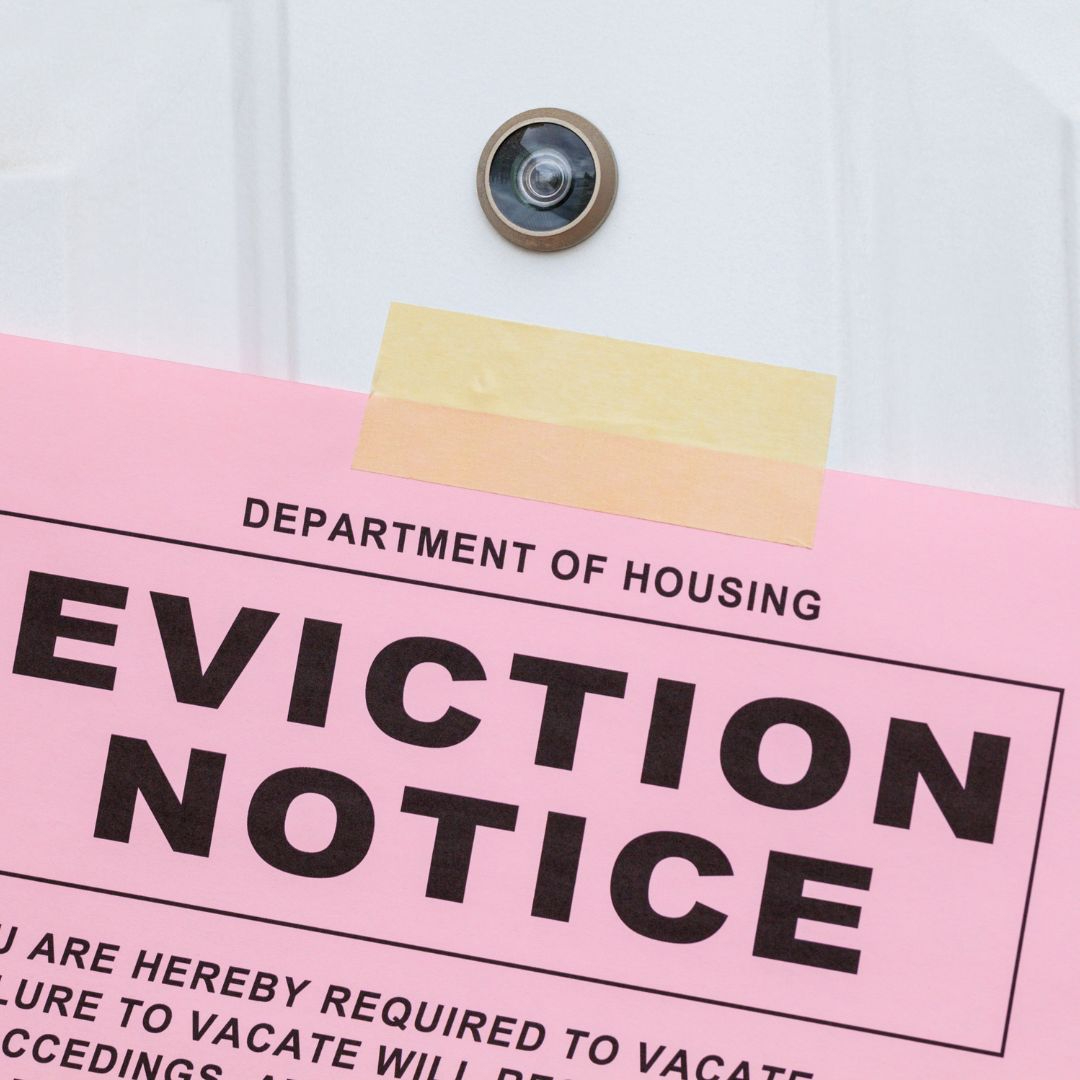
Hint: It's not just about legal fees.
When a tenant stops paying rent, the first instinct for many landlords is to handle it themselves. How hard can it be? Send a strongly worded message, threaten legal action, maybe change the locks. Problem solved.
Except in South Africa, that approach doesn't just fail — it can land the landlord in legal trouble while the non-paying tenant remains comfortably in the property.
The reality of a DIY eviction is far more expensive, far more time-consuming, and far more emotionally draining than most property owners anticipate. Here's an honest breakdown of what it actually costs.
First, Understand the Law
South Africa's eviction legislation — primarily the Prevention of Illegal Eviction from and Unlawful Occupation of Land Act (PIE Act) — is designed to protect occupants from arbitrary removal. This means:
- You cannot change the locks without a court order.
- You cannot cut off water or electricity to force someone out.
- You cannot remove a tenant's belongings.
- The only legal mechanism to remove a non-paying tenant is a formal eviction order granted by a court.
Attempting any of the above not only won't work — it can result in the landlord being held liable. The tenant, ironically, gains more leverage.
The Timeline Nobody Warns You About
This is where most landlords get a rude awakening. A full eviction — from the first missed payment to the property being vacant — can take anywhere from six to nine months. Here's why:
Month 1: The Letter of Demand Before anything can happen legally, a 20 business day breach notice must be issued. That's essentially a full calendar month. During this time, the best you can do is negotiate. The clock doesn't start until this letter goes out, which means every week you delay costs you.
Months 2–3: Lease Cancellation and Court Filing If the breach isn't remedied, the lease must be formally cancelled. Court documents then need to be prepared, reviewed, and filed — either at the High Court or Magistrate's Court, depending on availability of dates in your area.
Months 3–6: Waiting for a Court Date Court rolls in South Africa are notoriously congested. Depending on the province and the court, you could wait one month or several months for your matter to be heard. If the eviction is unopposed — meaning the tenant doesn't fight it — you're looking at roughly 12 to 14 weeks from filing to order.
Add another 1–3 months if it's opposed. A tenant who wants to buy time has options. They can hire an attorney or ask a family member to help them oppose the eviction. Common tactics include raising maintenance complaints, claiming the landlord violated the lease, or simply disputing facts. Each of these extends the timeline.
Final Step: The Eviction Order and Vacate Date Even once the court grants the eviction order, it typically includes a date by which the tenant must vacate — often one to three months from the date of the order. The court takes into account the tenant's need to find alternative accommodation.
Total? Eight to nine months is not unusual. And that's if everything goes smoothly.
The Financial Bleed
Now let's talk money. During those eight to nine months, the landlord's costs don't pause.
Lost rental income If the rent is R15,000 per month, nine months of non-payment is R135,000 in lost income alone.
Utilities and municipal charges Rates, taxes, levies, water, and electricity remain in the landlord's name. Depending on usage, this can add several thousand rand per month to the total loss.
Legal fees A DIY eviction — which still requires an attorney for the court application — can easily cost R40,000 or more in legal fees. This includes drafting the eviction application, court appearances, and any complications along the way. If an advocate is required for High Court proceedings, fees climb higher.
Sheriff's fees Once the eviction order is granted, the only person who can physically remove the tenant is the Sheriff of the Court. Their fee depends on the location of the property, the number of occupants, and the size of the property. This is an additional out-of-pocket cost for the landlord.
Property damage Tenants who feel wronged — rightly or not — sometimes leave properties in a state that requires significant repairs before the next tenant can move in. Repainting, replacing fittings, cleaning — these costs arrive just when the landlord's reserves are most depleted.
The Hidden Costs Nobody Talks About
Beyond the financial impact, there's the personal toll.
Time. Coordinating with attorneys, gathering affidavits, following up on court dates, responding to correspondence — a contested eviction can consume dozens of hours over several months.
Emotional energy. Dealing with a hostile tenant, receiving threatening messages, and navigating an adversarial legal process is genuinely stressful. Landlords who manage this alone often describe it as one of the most unpleasant experiences of their lives.
Opportunity cost. While you're tied up managing one problem tenant, you're not growing your portfolio, managing your other properties, or focusing on your career or business.
The Smarter Alternative
The good news is that none of this is inevitable. The landlords who navigate problem tenants most effectively share a few common traits:
They act immediately. The letter of demand goes out the moment a payment is missed — not after three months of stories and promises. Every day of delay extends the timeline and deepens the financial hole.
They use professionals. From vetting tenants properly at the start, to having specialists manage the breach process, the landlords who fare best are the ones who don't try to handle everything themselves.
They have protection in place before they need it. Services like Xpello, which provide breach management and full eviction coverage for a flat monthly fee of R250 per lease, exist precisely to remove this burden. Their panel of 32 attorneys nationwide handles everything — from the first breach letter to the court appearance — at no additional cost to the landlord when a tenant defaults.
The cost of being unprepared, as the numbers above show, is orders of magnitude higher than the cost of getting the right support in place from day one.
The Bottom Line
A DIY eviction in South Africa is not a money-saving exercise. For most landlords, it ends up being one of the most expensive mistakes they make — not just financially, but in time, energy, and peace of mind.
The question isn't whether you can afford professional support. It's whether you can afford not to have it.