
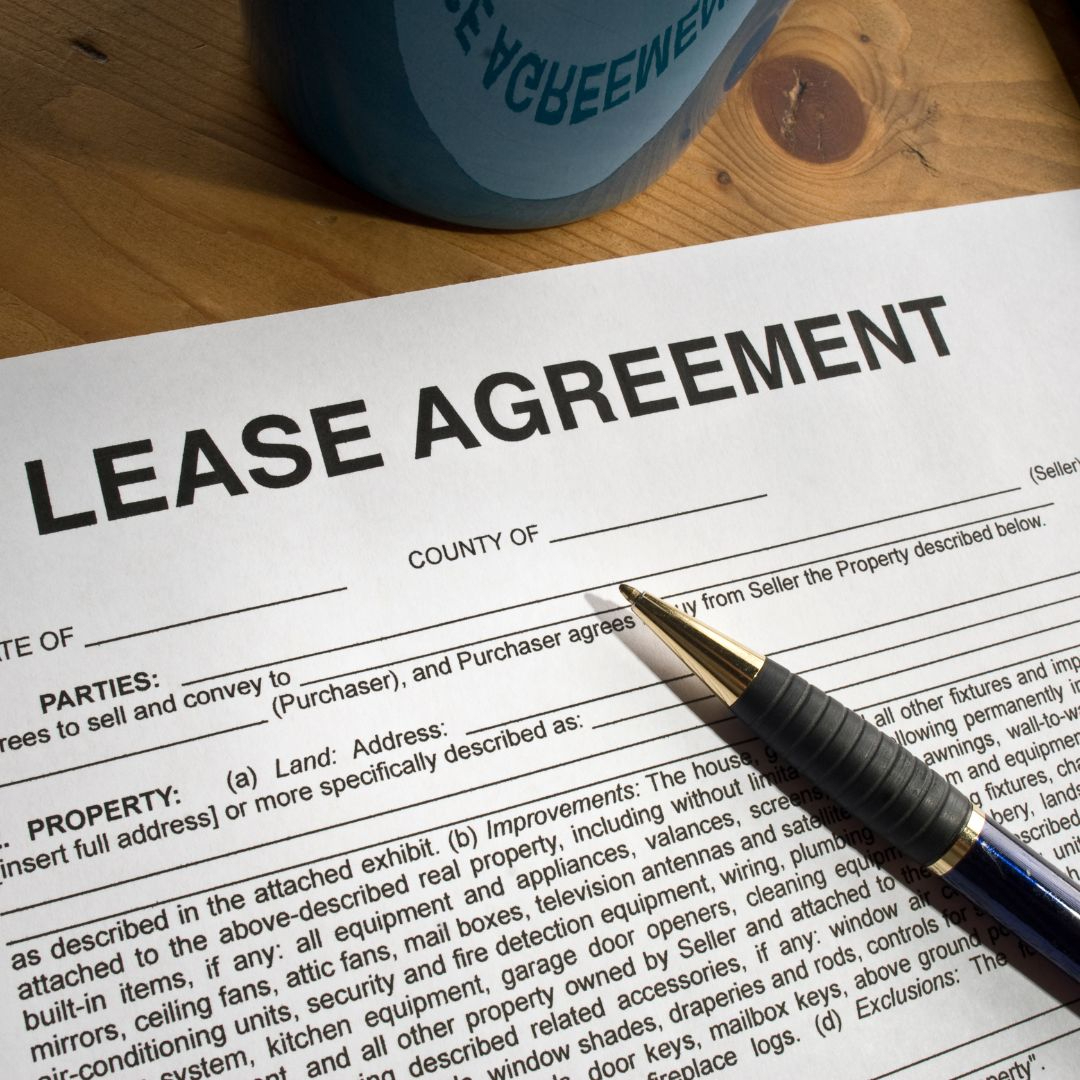
That one-page document you downloaded for free might be costing you everything.
A lease agreement is the foundation of every rental relationship. It defines the rights and obligations of both parties, sets the terms of occupation, and — critically — determines whether a landlord has legal standing to act when things go wrong.
Yet a surprising number of landlords are operating with lease agreements that are incomplete, outdated, or simply not enforceable. Some are using documents they found online years ago. Others have a verbal arrangement with a long-standing tenant. A few have a single page that covers the basics and nothing else.
When the relationship is good, none of this matters. When it breaks down, it matters enormously.
Here's what South African landlords need to know about what actually makes a lease agreement legally sound — and what leaves you exposed.
The Legal Framework
Residential leases in South Africa are primarily governed by two pieces of legislation:
The Rental Housing Act (RHA) sets out the rights and obligations of landlords and tenants and establishes minimum requirements for lease agreements.
The Consumer Protection Act (CPA) applies where the landlord is renting in the ordinary course of business (which includes most landlords with more than one property), and introduces additional protections for tenants — including the requirement for a 20 business day breach notice before a lease can be cancelled.
Understanding which legislation applies to your situation, and ensuring your lease agreement reflects both, is step one.
What a Legally Sound Lease Must Include
1. Full identification of both parties The lease must clearly identify the landlord and the tenant — full names, ID numbers, and contact details. If the landlord is a company or trust, the legal entity must be correctly named. If there are multiple tenants, all of them should be listed.
This matters because an eviction application must name the correct respondent. An incorrectly identified party can create procedural complications in court.
2. A clear description of the property The full address of the rental property must be stated, along with a description of what is included — parking, storage, appliances, and any outbuildings.
3. The rental amount and payment terms The monthly rental amount must be specified, along with the due date for payment, the method of payment, and what happens if payment is late. Any provision for annual escalation should also be included, along with the escalation rate or formula.
4. The deposit amount and conditions The Rental Housing Act requires that deposits be held in an interest-bearing account and returned to the tenant within a prescribed period after the lease ends, less any legitimate deductions. The lease must specify the deposit amount and the conditions under which deductions can be made.
5. The lease term Fixed-term or month-to-month? If fixed-term, the start and end dates must be clearly stated. The notice period required to terminate the lease must also be specified.
6. A breach clause This is where many homemade leases fall short. The breach clause sets out what constitutes a breach, the notice period required before further legal action can be taken, and the process for escalation. Under the CPA, a 20 business day breach notice is required — and your lease should reflect this.
7. Maintenance responsibilities The lease should clearly distinguish between what the landlord is responsible for maintaining and what falls to the tenant. This becomes critical when a tenant claims non-payment is justified by a landlord's failure to maintain the property. If it's not in the lease, it's a grey area.
8. Conduct rules and restrictions Are pets allowed? Can the tenant sublet? Are there body corporate rules that apply? Any restrictions on how the property may be used should be clearly stated, along with the consequences of breaching them.
9. An inspection clause The Rental Housing Act requires both an ingoing and outgoing inspection, documented in writing and signed by both parties. The lease should make provision for this process and confirm that both parties understand its purpose — to protect the tenant's deposit and give the landlord recourse for damages.
10. Termination provisions How can the lease be terminated early, and under what conditions? What notice is required? What happens to the deposit? These provisions prevent disputes at the end of the tenancy.
Common Problems with DIY Lease Agreements
The breach clause is missing or vague. Without a properly worded breach clause, a landlord may struggle to demonstrate that the correct legal process was followed — which can cause an eviction application to fail on procedural grounds, regardless of the merits.
The CPA requirements aren't reflected. Older lease templates often predate the Consumer Protection Act. If your agreement doesn't provide for a 20 business day breach notice, it may not comply with current legislation.
The deposit provisions are incorrect. Many landlords hold deposits in their own accounts rather than a separate interest-bearing account as required by law. This exposes the landlord to a legal challenge and potentially a penalty.
The inspection process isn't documented. Without a signed ingoing inspection report, a landlord has no baseline against which to measure damage at the end of the lease. This makes deposit deductions nearly impossible to defend.
The parties aren't correctly identified. A lease that names "John Smith" when the tenant's legal name is "Johannes Smit" creates a discrepancy that can be exploited in legal proceedings.
Getting Your Lease Reviewed
Reputable rental agencies also use professionally drafted, regularly updated lease agreements that reflect current legislation. This is one of the less visible but genuinely valuable things a good agent provides — you're not just getting someone to collect the rent. You're getting a legally sound foundation for the entire relationship.
A Final Word on Verbal Agreements
Verbal lease agreements are legally recognised in South Africa, but they are extraordinarily difficult to enforce. Without a written record of what was agreed, every dispute becomes a matter of one party's word against the other's.
If you are currently renting a property on a verbal or informal basis, formalising the arrangement with a written lease is one of the most important steps you can take to protect your investment.
The lease agreement is not admin. It is the document that determines whether you have legal standing when things go wrong. Get it right from the start.