
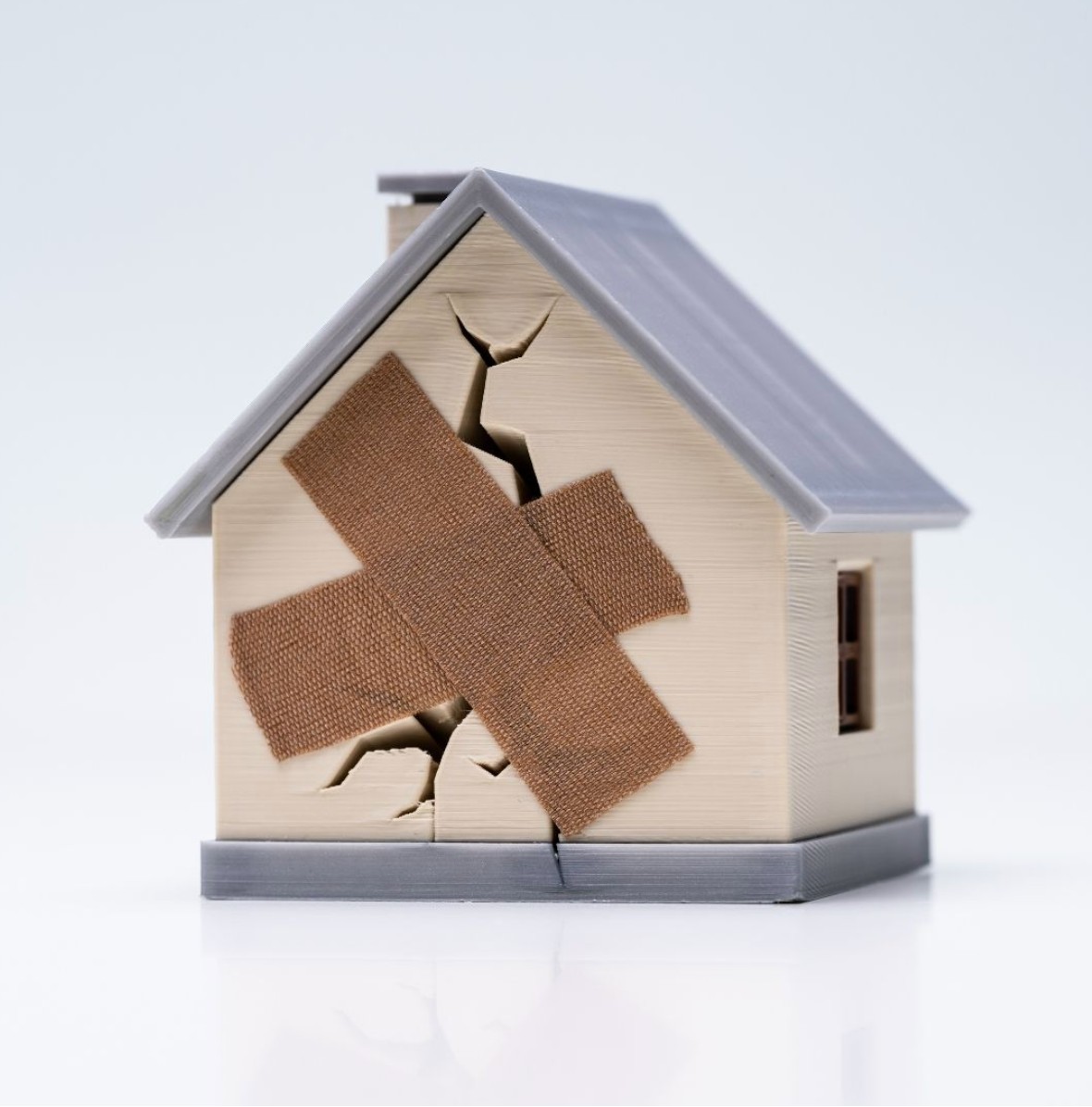
One of the most common sources of conflict at the end of a lease is the question:
“Is this normal wear and tear, or should the tenant pay for the damage?”
The answer matters — especially when it comes to deposits, outgoing inspections, and rental tribunal disputes. South African case law has been clear in recent years: tenants cannot be charged for normal wear and tear, but tenants are responsible for negligent or avoidable damage. To make fair and legally compliant decisions, both parties need to understand where the line is drawn and how charges should be calculated.
1. Landlord Responsibilities
Landlords are legally responsible for:
✔ Maintaining the rental property in a livable condition
✔ Performing repairs related to age, use, and natural deterioration
✔ Accounting for depreciation of fixtures and fittings
✔ Not penalising tenants for wear and tear
✔ Returning deposits with interest (less legitimate deductions)
Normal wear and tear forms part of landlord responsibility and cannot be charged to the tenant.
2. Tenant Responsibilities
Tenants are required to:
✔ Take proper care of the property
✔ Use fixtures for their intended purpose
✔ Avoid negligent or intentional damage
✔ Report maintenance issues promptly
Failure to report issues is a major cause of disputes. South African courts have held that a tenant may be liable for consequential damage caused by not reporting a repair.
Example:
If a slow leak under a bathroom sink causes cupboard rot over time because the tenant failed to report it, the tenant can be held responsible for the cost of replacing the cupboard — even though the original leak itself was not their fault.
3. Wear and Tear vs Tenant-Caused Damage
Understanding the difference is essential at exit inspections.
Normal Wear and Tear
This includes deterioration that happens through ordinary use over time. Examples include:
✔ Scuffed paint behind furniture
✔ Light marks on walls
✔ Minor carpet flattening
✔ Faded curtains from sunlight
✔ Loose grout due to age
These are landlord costs and cannot be deducted from the deposit.
Tenant-Caused Damage
This occurs through negligence, abuse, or misuse. Examples include:
❌ Cracked tiles from dropped objects
❌ Burn marks on countertops
❌ Animal damage to carpets
❌ Holes in walls
❌ Broken doors or fittings
❌ Water damage from unreported leaks
These are tenant costs and can be deducted.
4. Depreciation: How Damage Charges Must Be Calculated
South African case law rejects the idea that tenants must always pay for full replacement of items when damage occurs. Instead, landlords must account for:
✔ The item’s original lifespan
✔ Age at the start of the lease
✔ Years used during the tenancy
✔ Remaining usable life
This ensures tenants are not unfairly charged for items already nearing end-of-life.
5. Practical Calculation Method for Tenant Charges
A fair depreciation method commonly used in insurance and rental disputes works as follows:
Step 1: Determine the original usable life of the item
Step 2: Calculate how many years were left when damage occurred
Step 3: Get a replacement quote from a qualified contractor or supplier
Step 4: Calculate the portion the tenant is responsible for
Example 1 — Tenant Pays
Item: Carpet in high-traffic living room
Age at move-in: 2 years
Damage: Dogs destroy carpet 1 year into the lease
Replacement cost: R13,500
Usable life of carpet (example): 5 years
Depreciation calculation:
Used prior to lease: 2 years
Used during lease: 1 year
Remaining usable life: 2 years
Cost per year: R13,500 ÷ 5 = R2,700/year
Tenant liability: 2 years × R2,700 = R5,400
Tenant pays: R5,400, not R13,500
Example 2 — Tenant Pays Nothing
Same carpet, but tenant stays 3 years:
2 years old at start
3 years of tenancy
Total lifespan: 5 years
Carpet reaches end of life, so:
✔ No tenant charge
✔ No replacement liability
6. The Legal Landscape in South Africa
Recent rulings and Rental Housing Tribunal cases reinforce that:
✔ Tenants must report issues promptly
✔ Landlords cannot claim replacement value without depreciation
✔ Wear and tear is not deductible from deposits
✔ Damages must be proven through inspection reports
Incoming and outgoing inspections (with photographs) are critical evidence — without them, landlords may lose claims entirely.
7. Why Most Disputes Are Avoidable
Almost all deposit disputes boil down to one of the following:
-
No proper inspections
-
No written condition report
-
No depreciation applied
-
Failure to distinguish wear vs damage
-
Poor communication during the lease
-
Tenants failing to report issues
Professional management platforms like RedRabbit have helped reduce disputes by standardizing digital inspections, contractor quotes, and tracking repairs objectively.
The Bottom Line
Both parties have responsibilities:
Landlords must:
✔ Maintain the property
✔ Allow for wear and tear
✔ Apply depreciation fairly
Tenants must:
✔ Look after the property
✔ Report issues promptly
✔ Avoid negligent damage
When done properly, rentals remain smooth, fair, and dispute-free — and both the property and the deposit are protected.