
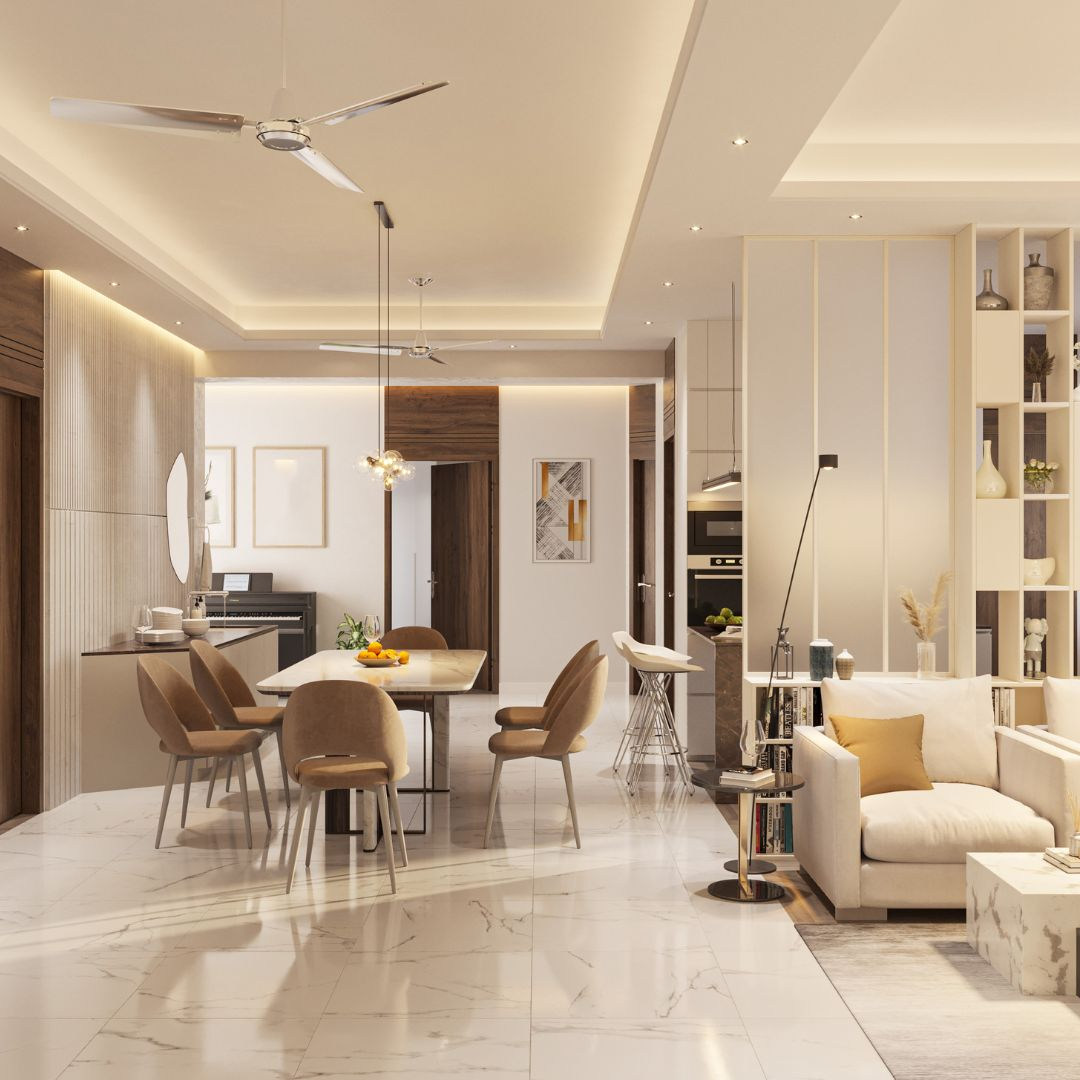
That luxury renovation might feel like an upgrade. Your buyer might not agree.
It's a familiar story. An owner buys a sectional title unit, decides to renovate, and goes all in. New kitchen. Imported tiles. Heated towel rails. A custom bathroom that wouldn't look out of place in a five-star hotel.
The result looks beautiful. The problem is what happens when it's time to sell.
The Market You're Competing In
When a buyer is shopping for a one-bedroom apartment in your complex, they're comparing it to every other one-bedroom apartment in your complex — and in the complexes nearby.
Your gold taps and bespoke cabinetry don't exist in isolation. They exist next to your neighbour's standard finishes, which are selling for R200,000 less. And in most cases, the buyer will not pay the premium you're expecting for your upgrades.
As Willie Roos, CEO of Stratafin and one of South Africa's leading sectional title experts, puts it plainly:
"It's ultimately the buyer comparing one-bedroom apartment with another one-bedroom apartment. They might not like your shiny gold taps. They might want their taps to be bronze or whatever the case may be. They'll never pay for that extra amount."
The sectional title market is, by nature, a comparative one. Units in the same scheme are structurally identical or very similar. Buyers know this — and they price accordingly.
The Insurance Problem Nobody Mentions
Over-capitalising doesn't just affect your sale price. It can affect your insurance obligations too.
The body corporate is required to insure all units in the scheme, and values are reviewed every three years. That insurance is based on a standard rate per square metre — reflecting a standard level of finish.
If your unit has finishes that significantly exceed that standard, your bank may require additional insurance cover to protect their bond. That additional premium doesn't get absorbed into the scheme's general levy. It lands on your levy account, as an ongoing monthly cost for as long as you own the unit.
So not only are you unlikely to recover the cost of your renovation at sale — you may be paying a premium every month just to insure it.
What You Can Recover and What You Can't
Not all improvements are equal. Some add genuine value. Most add less than they cost.
What tends to add value:
- A well-maintained, freshly painted interior
- Modernised but neutral finishes — clean lines, quality without extravagance
- Functional upgrades like new appliances or updated plumbing
- Energy-saving features like LED lighting or a solar geyser, where permitted
What rarely gets recovered:
- High-end imported materials that don't match the scheme's overall aesthetic
- Custom fixtures and fittings that reflect personal taste rather than broad appeal
- Structural changes that required body corporate approval — and especially those that didn't get it
- Luxury additions that place the unit in a different price bracket to everything around it
The renovation that costs R300,000 to complete might add R100,000 to the sale price — if you're fortunate. In some cases, it adds nothing at all, because buyers simply don't want to pay for someone else's taste.
The Sectional Title Constraint Most Renovators Forget
There's another layer that applies specifically to sectional title: you don't own as much of the property as you think you do.
Your ownership begins at the middle of the brick. Anything structural, anything that affects the external appearance of the building, anything that touches common property — all of that requires body corporate approval before you touch it. New windows. A different front door. An extended kitchen that requires moving a wall.
Renovations done without approval are non-compliant. They must be disclosed when you sell. In some cases, the body corporate can require reinstatement at the owner's cost. What felt like an improvement becomes a liability.
Before any significant renovation in a sectional title unit, the first question to ask is not "what do I want to do?" It's "what am I legally permitted to do, and what does the body corporate need to approve?"
The Smarter Approach
This isn't an argument against improving your unit. A well-presented, well-maintained property sells faster and for more than a neglected one. The point is proportionality.
Renovate to the standard of the scheme — not beyond it. Keep finishes neutral and broadly appealing. Focus on condition and presentation rather than extravagance. If you're investing to sell, think like a buyer: what would make this unit the best in its class without pricing it out of the market it sits in?
And if you're genuinely unsure what the market will bear for a renovated unit in your scheme, ask an agent who sells in that area regularly. A good agent will tell you, honestly, what buyers are paying and what they're not — before you spend the money, not after.
The Bottom Line
Sectional title is a collective environment. The value of your unit is shaped not just by what's inside it, but by the scheme around it — the other units, the maintenance, the levies, the body corporate's governance. Going significantly beyond the standard of that environment rarely pays off at sale, and can create insurance and compliance complications in the meantime.
Upgrade thoughtfully. Keep it proportionate. And always, always check what the market is actually doing before you commit to a renovation budget.
For expert property sales and investment guidance in South Africa, visit www.luxlivproperty.com.