
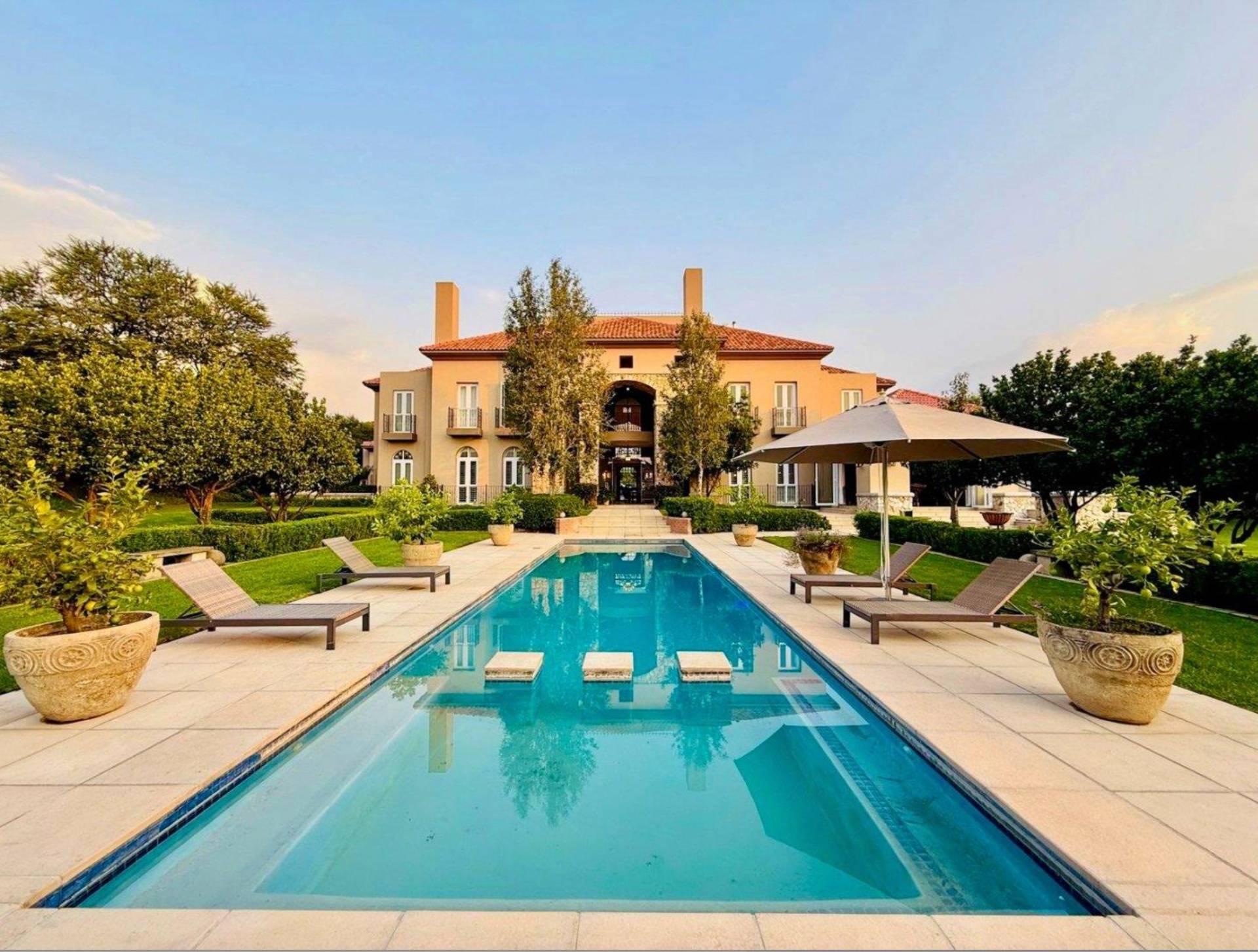
Every seller assumes the price sets the volume of viewings. It doesn't. The primary listing photograph does.
Buyers scanning property portals do not read. They scroll. The single image at the top of your listing is competing with a hundred others on the same page, and it has about half a second to earn a click before the buyer moves on. Homes with strong primary photography routinely generate three to five times the viewing traffic of comparable homes with weak primary photography — at the same price, in the same suburb, in the same market.
Which means the photograph is not decoration. It is the first commercial decision a seller makes, and it is the one most sellers make with the least thought.
What the strongest primary photographs share
There is nothing accidental about the images that pull buyers to click. The photographs that consistently drive viewing volume share a small set of characteristics — most of them invisible unless you know what to look for.
The six things that work
Exterior over interior, almost always. Buyers want to place the home in a context. The exterior does that in a single frame. Interior primary shots tell the buyer nothing about the setting, the street, or the character of the property. Reserve interior photography for the secondary carousel.
Natural light, taken at the right hour. Late afternoon light is the strongest for South African residential photography — warm, directional, forgiving. Midday light flattens facades and washes out colour. The photographer who arrives at 4pm produces a materially different image than the one who arrives at midday.
A frame that includes the garden or setting, not just the house. The primary photograph should signal the life the home offers, not just the structure. Buyers who see a home surrounded by mature trees, considered landscaping, or a well-kept setting scroll past fewer of them than buyers looking at architecture in isolation.
A clean, uncluttered composition. No wheelie bins visible. No garden hoses, ladders, or maintenance debris on the lawn. What appears in the primary frame signals whether the home is being cared for, and buyers read that signal in a second.
Considered angles that show scale honestly. A well-photographed home shows its actual size without wide-angle distortion. Buyers are increasingly skilled at spotting the fish-eye effect, and once they've spotted it once, they distrust every subsequent photograph in the listing.
Consistency with the interior photography that follows. The buyer clicks on the primary image and expects the interior to match its energy. A cinematic exterior followed by a series of dim, off-angle interior shots produces the wrong emotional arc. Strong listings feel unified from the first frame to the last.
What the sellers who get this right actually do
The sellers who consistently sell within their first two weeks on market do a small number of things that produce disproportionate results.
They prepare the home and the garden for the photograph specifically — not just for a viewing. They look at the primary image the way a scrolling buyer would, from the thumbnail on a phone screen, and they ask themselves the honest question: would I click that?
Sellers who cannot answer yes to that question are sellers whose homes will attract fewer viewings, take longer to sell, and eventually transact below where they should have.
The short version
The photograph does not just support the listing. On property portals, the photograph is the listing.
Get it right, and the rest of the sale unfolds from a position of strength. Get it wrong, and every subsequent decision — the price, the negotiation, the timeline — starts from a weakness that no reduction can quite recover.
The homes that sell fastest are the homes buyers wanted to click on. Everything else follows from that first half-second.