
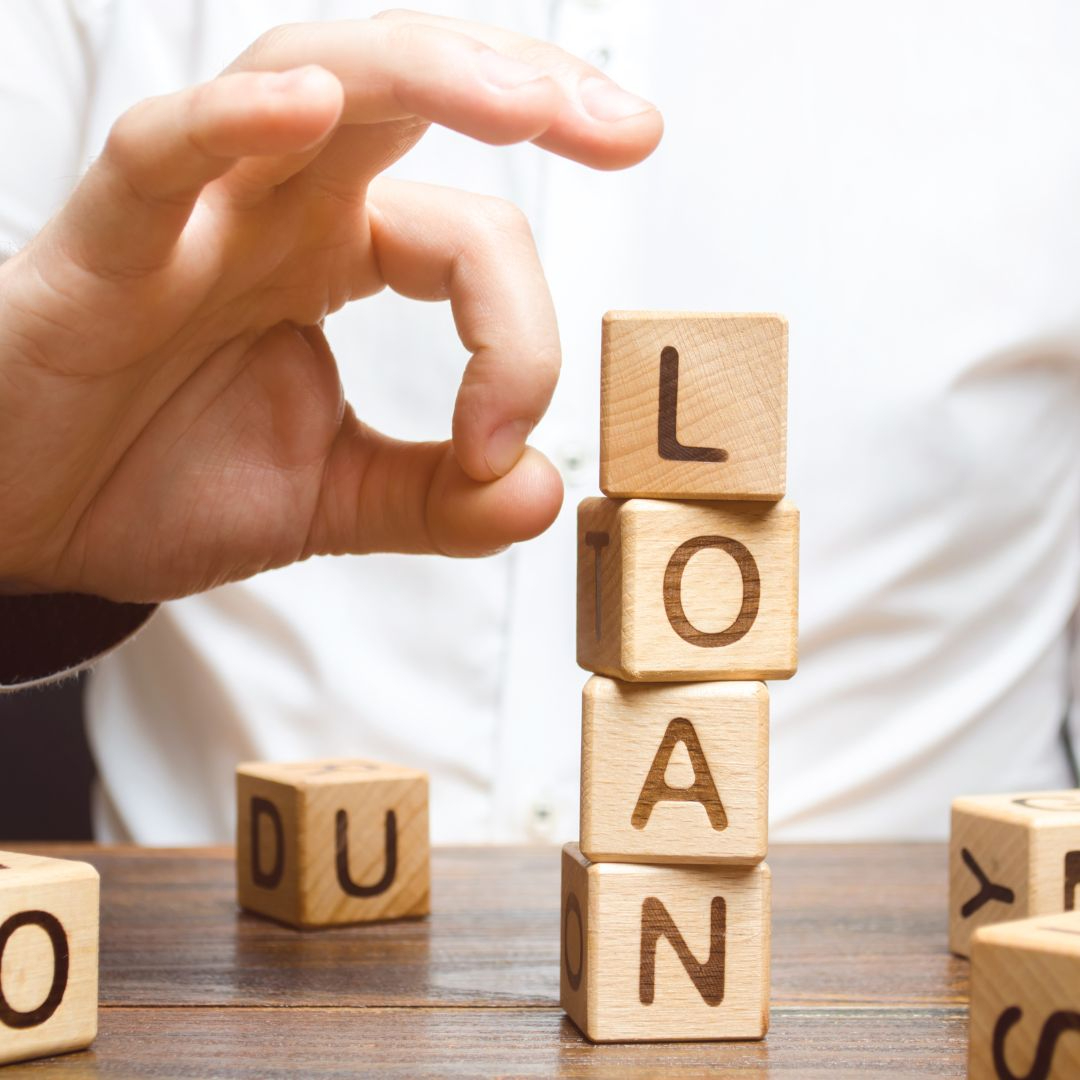
Purchasing a home is one of life's most significant financial decisions — and receiving a rejection on your home loan application can be both discouraging and confusing. Understanding the reasons behind a rejection is the first step toward addressing them. Here are the most common factors that lead to home loan rejections, and what you can do about each one.
1. Skipping Pre-Approval
Many buyers begin their property search without first obtaining pre-approval from a lender. This is a costly oversight. Pre-approval gives you a realistic picture of your budget, strengthens your credibility with sellers and estate agents, and significantly reduces the risk of disappointment later in the process. In competitive markets, pre-approved buyers are taken far more seriously. Make this your first step, not an afterthought.
2. A Poor Credit Score
Your credit score is one of the primary indicators lenders use to assess risk. Late payments, high credit utilisation, and unresolved defaults all negatively impact your profile. In South Africa, a score above 670 is generally considered favourable for home loan applications. Before applying, obtain a copy of your credit report, dispute any inaccuracies, and take deliberate steps to improve your score — such as settling outstanding accounts and making all payments on time consistently.
3. Recent Employment Changes
Lenders place significant weight on employment stability. Changing jobs within three to six months of applying can raise concerns about income reliability. Self-employed applicants face additional scrutiny and are typically required to provide two years of assessed financial statements. If a career change is on the horizon, consider timing it after your bond has been approved where possible.
4. A High Debt-to-Income Ratio
Your debt-to-income (DTI) ratio measures how much of your gross monthly income goes toward servicing existing debt. South African banks generally require that your total monthly debt obligations — including the proposed bond repayment — do not exceed 30 to 40% of your gross income. If your ratio is above this threshold, focus on reducing existing debt, particularly high-interest accounts like credit cards and personal loans, before reapplying.
5. An Insufficient Deposit
While some lenders offer 100% home loans, a meaningful deposit significantly improves your chances of approval and reduces your long-term interest costs. A deposit of 10 to 20% demonstrates financial discipline and lowers the lender's risk exposure. In the current interest rate environment, coming to the table with a solid deposit can be the difference between approval and rejection.
A rejected home loan application is not a permanent setback. By identifying the specific reason for the rejection — whether it relates to your credit profile, employment history, income-to-debt ratio, or deposit — you can take focused, practical steps to strengthen your position before reapplying. With the right preparation, homeownership remains an achievable goal.