
The Ten-Minute Test Every South African Buyer Should Do Before They Sign
The most important ten minutes of any viewing happens after the viewing.
The home shows you itself. The neighbourhood shows you the life. And in South Africa, the neighbourhood always tells a fuller story than a fifteen-minute showing ever could — if you know how to read it.
The buyers who consistently end up in homes they love five years later are not the ones with the sharpest eye for interiors. They're the ones who take an extra ten minutes to read the neighbourhood on the way out. Not walking anxiously through a strange area — just driving a slow, deliberate loop with their eyes open.
Here's what that ten minutes actually involves.
1. Take a slow drive around the wider area
Two streets north, two south, two east, two west. Take it slowly enough that you can actually look.
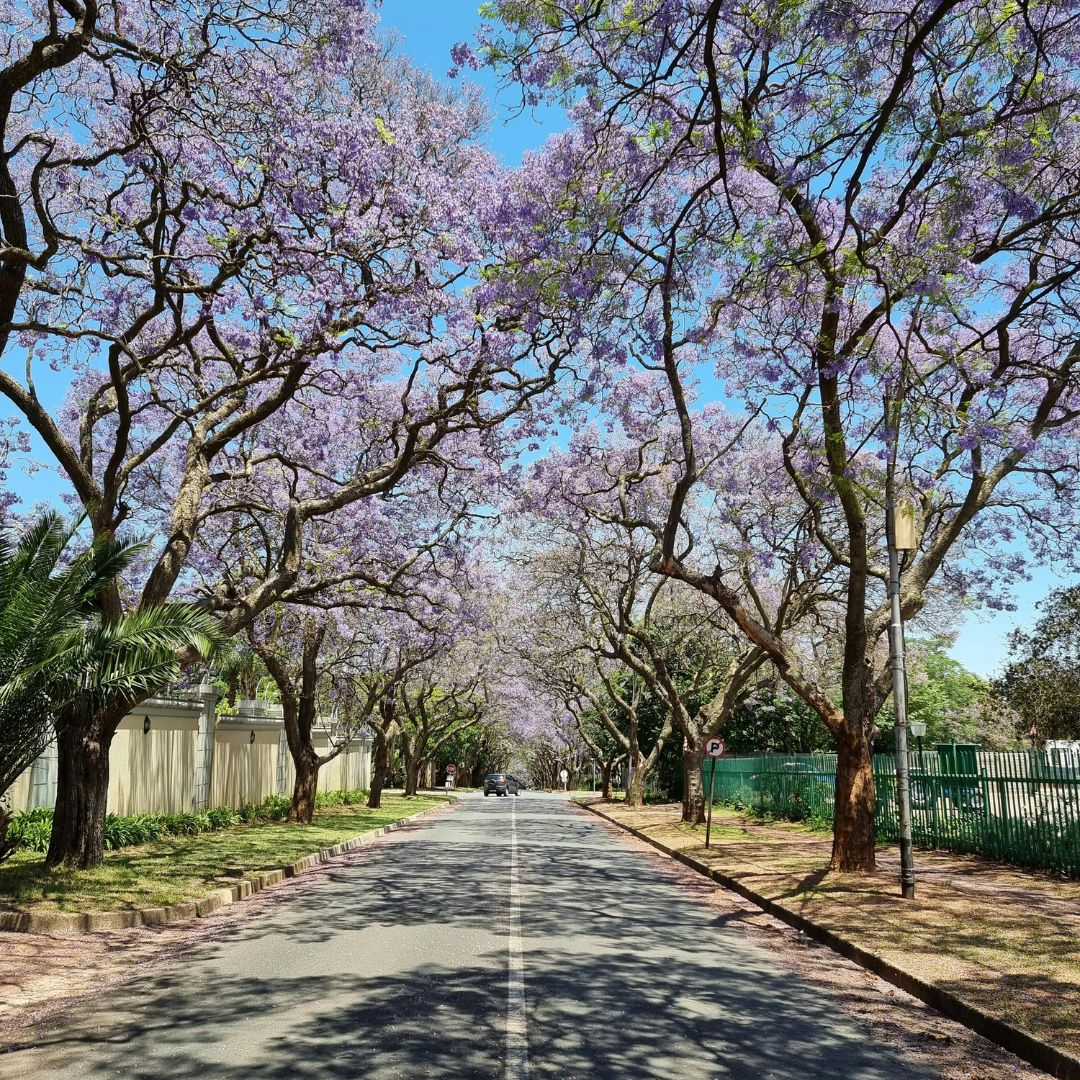
You're reading the trajectory of the wider area, not just the immediate street. Do the neighbouring streets feel cared for? Are the boundary walls kept, the pavements neat, the gardens tended? A great home in a well-kept wider area is a great home. A great home in an area that's quietly deteriorating around it is a decade of frustration waiting to happen.
The drive is your chance to see whether the immediate street is a strong example of what surrounds it, or an island against the tide.
2. Look for the visible presence of security
In South African suburbs, active security is one of the strongest signals of how well a neighbourhood functions.
While you're driving, notice how many security vehicles pass you. Are patrol cars visibly moving through? Are the security company signs on the boundary walls fresh and consistent — a single company dominant on the street, suggesting an organised neighbourhood watch — or is every second house on a different provider?
A neighbourhood with visible, coordinated security is one whose residents are collectively invested in each other. That's the strongest predictor of a suburb that will keep its character over time. It's also what makes homes in that suburb hold their value more durably than isolated stock elsewhere.
3. Watch how the residents use the street
The pedestrian life of a suburb tells you what the residents actually feel about their own environment.
Look for the everyday signs of a healthy area. Children on bicycles in the late afternoon. Dogs being walked. Neighbours greeting each other at boundary gates. Domestic staff and gardeners moving about openly. Kids playing in front gardens. Weekend joggers.
These are quiet signals that the residents have organised the neighbourhood into a place they enjoy using — not just a place they retreat to. And a neighbourhood the residents actually enjoy is a neighbourhood a new owner will enjoy too.
4. Look closely at the homes immediately next door
Once you've driven the loop, come back and study what sits on either side of the home you viewed.
Are the neighbouring properties well-maintained, actively lived in, cared for? Are the gardens tended? Are the boundary walls in good repair? A home with two committed neighbours on either side sits inside a much stronger micro-environment than the same home next to a vacant erf or a neglected property.
The best suburbs are held together by the residents in them. When those residents visibly invest in their properties, they're investing in yours by extension.
5. Listen for what the neighbourhood sounds like
While you're driving, roll the windows down. Better still, park at the end of the street for a few minutes and simply listen.
What you hear tells you more about the neighbourhood than almost anything else will.
You'll also notice what you don't hear. A well-functioning suburb isn't quiet in the sense of being silent — it's quiet in the sense of being calm. There's no persistent traffic drone. There's no distant hum of a highway you didn't realise sat this close. There's no ongoing construction interrupting every conversation. The absence of these things is what makes the presence of the good sounds audible in the first place.
The homes that have been well-considered for their setting will always sound like themselves — settled, unhurried, alive. The ones that sit on the edge of something less considered will let you know, if you take a few minutes to listen.
6. Read what the neighbourhood is doing about what the municipality isn't
Some suburbs still get full municipal support. Others have residents' associations and neighbourhood forums that have quietly stepped in — organising road resurfacing, replacing streetlights, coordinating verge maintenance, running community security.
Both models produce good neighbourhoods. What matters is that the area is being actively looked after by someone — the council, the residents, or ideally both.
Look for the signs. Well-kept pavements. Working streetlights (or evidence they've been replaced recently). Neatly-maintained verges. Organised rubbish collection points. These small details are the visible proof that this specific suburb is a place where people care about the shared environment — which is what keeps property values stable and residents happy.
The suburbs where nobody has stepped in, and the council has stepped back, tell a different story. That story is visible on the drive too.
7. Ask yourself the honest question
The last part of the test is a single, honest question.
Can I picture my daily life here — comfortably, without armour?
For some buyers that's arriving home from a meeting and pulling into a driveway that feels like home rather than a fortress. For others it's letting the kids ride bikes to a friend's house two streets over. For others it's the domestic staff comfortable in the neighbourhood, or the dog getting walked before dinner.
Different lives ask different questions. But every buyer has a version of "can I actually see myself here?" — and the ten minutes after the viewing is when the honest answer surfaces.
If the answer is yes, this is the home. The offer you make will be based on your own read of the environment, not the seller's presentation of the property. That's the offer worth signing.
If the answer is maybe, that's a good reason to come back. See it at a different hour. Bring someone else. Drive it at seven in the evening. A neighbourhood that shifts materially between the daylight viewing and the after-work drive is a neighbourhood telling you something you should hear before you sign.
What the test actually reveals
The ten-minute test is not about ruling homes out. It's about buying with clarity — knowing what you're actually walking into, before the offer is written.
The buyers who use it end up in homes where the environment supports the life they wanted, not just the interior they liked. Their neighbours become community. Their streets become familiar in a good way. Their homes hold value because the wider suburb holds value.
The buyers who skip it often end up in beautiful homes surrounded by an environment they never quite feel comfortable in. The kitchen was worth the price. The suburb, quietly, wasn't.
The short version
The viewing is not where the decision gets made.
The ten minutes after the viewing — the slow drive around the wider area, the honest read of how the neighbourhood actually lives — is where the decision gets made. Most buyers skip it. The buyers who don't skip it consistently end up in homes they still love five years later, in suburbs that keep giving them what they signed up for.
Ten minutes. Free. Available after every single viewing you'll ever attend.
The next home you look at is worth ten minutes of your own attention after the agent has left. If the environment confirms the home, you've made the best offer you'll ever write. If it doesn't, you've saved yourself a decade of quiet compromise.