
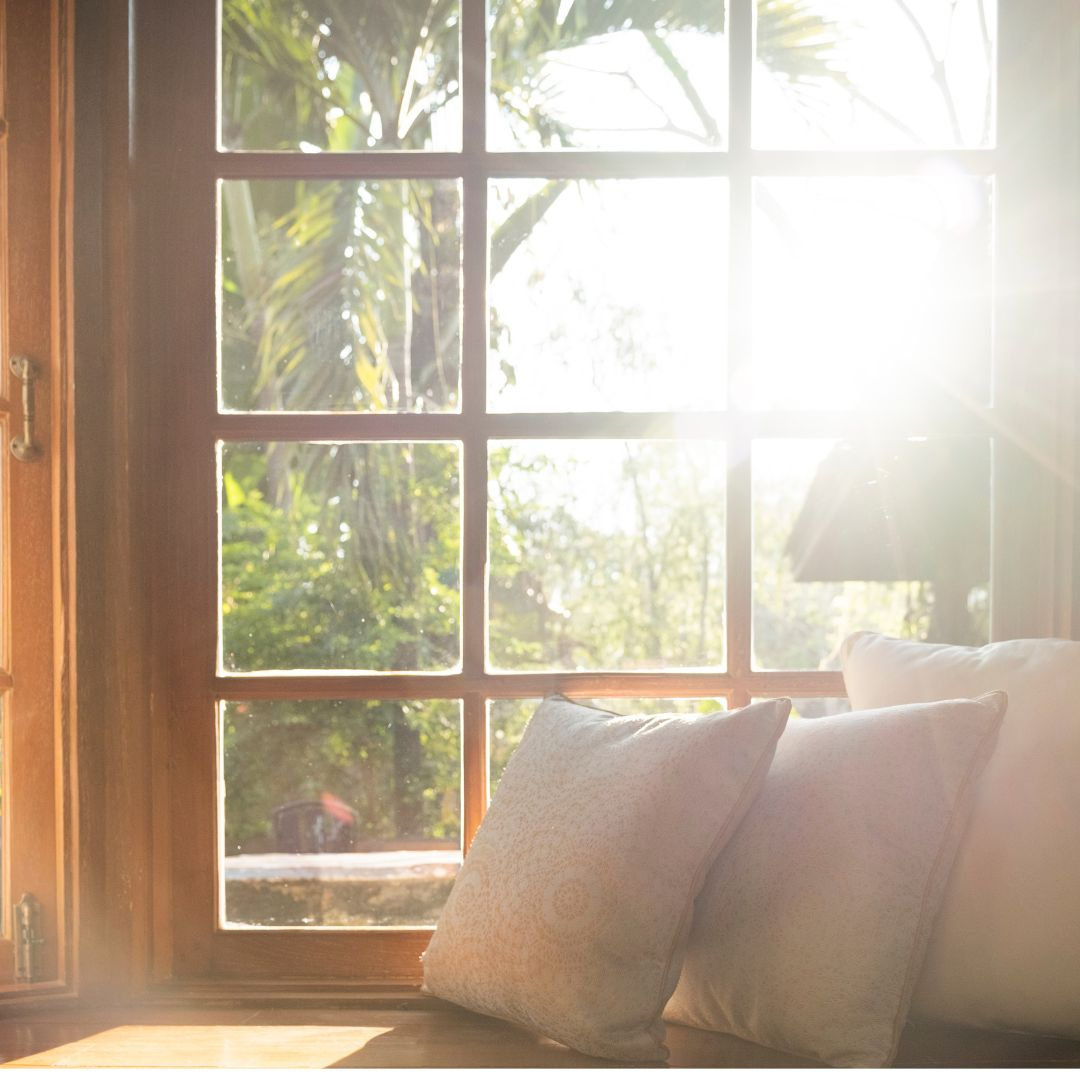
There are two versions of every home.
The one you fall in love with during a sunny October viewing… and the one you actually live in through the middle of winter.
In summer, almost every property feels appealing. The gardens are green, natural light floods through the windows, and stack doors stay open long into the evening. But winter has a way of revealing the truth about a home. Some properties hold warmth effortlessly. Others retreat into shadow before the afternoon has even begun.
The difference often comes down to one detail many buyers overlook entirely: orientation.
The Southern Hemisphere Principle
In South Africa, the sun travels across the northern side of the sky. That single geographical fact has a profound impact on how a home feels, performs, and ultimately lives.
A north-facing home receives the best natural sunlight throughout the day — particularly during winter when the sun sits lower on the horizon. This allows sunlight to penetrate deeper into living spaces, naturally warming interiors for several hours a day without relying heavily on artificial heating.
The result is subtle but powerful.
Warmer mornings.
Brighter interiors.
Reduced energy consumption.
Comfortable living spaces throughout winter.
It’s not simply about sunlight. It’s about quality of life.
A south-facing living room in the same home may remain cool and shaded for most of winter, often requiring lights and heating much earlier in the day. Over time, these differences become part of daily living — influencing comfort, mood, energy costs, and how often spaces are actually used.
The Homes That Truly Understand Luxury
The finest homes are rarely successful by accident.
They are designed with intention.
In well-considered South African homes, living rooms, entertainment areas, kitchens, and primary bedrooms are typically positioned on the northern side of the property to maximise natural light and warmth. Bedrooms often capture eastern morning light, while service areas, garages, and utility spaces are placed more strategically to the south.
Outdoor spaces follow the same principle. North-facing patios remain usable and sunlit through winter. Pools retain warmth longer into autumn. Gardens thrive more naturally when designed around the movement of the sun.
These are not flashy design decisions. Most buyers won’t immediately identify them during a viewing. But they feel them.
You notice it in the warmth of the living room at four in the afternoon.
In the way natural light moves through the home.
In how comfortable the property feels without trying too hard.
And once you’ve experienced a truly well-oriented home, it becomes difficult to settle for anything else.
Why Orientation Matters More Than Ever
In a world where property marketing often prioritises aesthetics and photography, orientation remains one of the few features that genuinely affects how a home lives every single day.
It cannot be renovated later.
It cannot be staged.
And it quietly influences everything from energy efficiency to long-term resale appeal.
With rising electricity costs and an increasing focus on sustainable living, north-facing homes are becoming even more desirable among informed South African buyers. A properly oriented home can significantly reduce winter heating requirements while creating naturally bright, inviting spaces year-round.
The best homes tend to share this in common, regardless of price point: they were thoughtfully considered, not simply built.
How To Check If A Home Is North-Facing
It’s surprisingly simple.
During a viewing, stand in the main living area and use the compass app on your phone. Check which direction the largest windows face. Pay attention to where the sunlight falls during the day and how the spaces feel naturally without artificial lighting.
If possible, visit the property at different times of day.
A home that remains warm, bright, and welcoming throughout winter afternoons is usually doing something right.
Because long after finishes change, trends evolve, and renovations happen, orientation remains constant.
And in South Africa, few property features age better than a beautifully designed north-facing home.