
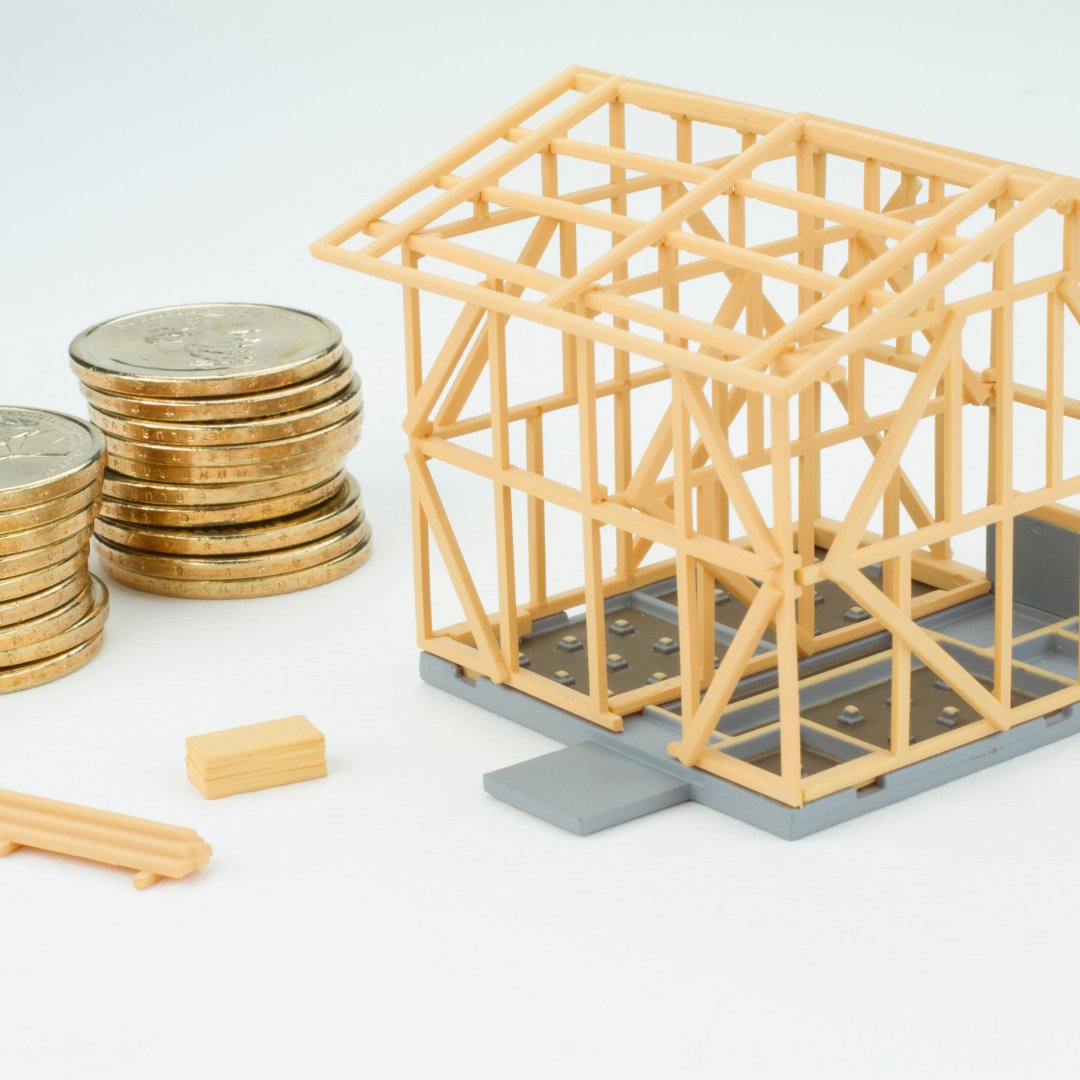
Every year, thousands of South African homeowners begin renovations they will not finish for the price they planned. A few weeks in, walls come down that were meant to stay up. Foundations turn out to be softer than the report suggested. Electrical rewiring becomes replumbing becomes structural reinforcement. The budget quietly doubles. Sometimes it triples.
By the time the owner has spent enough to have knocked the whole home down and built a new one, they have a renovated version of the same house — and a resale value that no longer reflects what went in.
The renovation that becomes a rebuild is one of the most expensive property mistakes in the South African market. It happens not because the owners were reckless, but because they missed the specific warning signs that told them, at the start, that a renovation was never the right choice for their home.
Why this matters more now than it used to
South African construction costs have risen sharply over the past several years. The gap between "add a bedroom" and "add a bedroom, refix the roof, upgrade the electrics, and reinforce the foundation while we're in there" has widened, and the second number is where most renovation budgets end up.
At the same time, the market has softened. Homes priced above their neighbourhood ceiling are sitting. Which means the owner who over-capitalises on a renovation has fewer places to hide when it comes to resale. The extra R800,000 they spent on the second phase doesn't come back in the sale price. It sits inside the walls of a home that transacts at the same number it would have without the second phase.
The owners who avoid this trap are the ones who recognise, before construction begins, that their renovation was already halfway to being a rebuild.
Four warning signs the renovation is heading into rebuild territory
1. More than a third of the existing structure is being altered.
Once the plan involves rethinking layout across a third or more of the home, the cost curve stops behaving like a renovation and starts behaving like a build. Load-bearing walls, roof structure, plumbing routes, and electrical layouts start to interact with each other in ways that turn small changes into large costs. If the plan touches more than a third of the home, the honest question is whether the remaining two-thirds is worth keeping.
2. The existing foundation, roof, or electrical system is at or near the end of its life.
A renovation that leaves an old foundation, a compromised roof, or an outdated electrical system in place is a renovation that will need to be redone within a decade. The owner who spends R1.5 million reconfiguring a kitchen and living room on top of a foundation that will need attention in five years has bought themselves a short-term aesthetic upgrade at a long-term structural cost. In these cases, rebuilding is almost always cheaper across a ten-year horizon.
3. The current home fights the way the owner wants to live.
Some homes were built for a family structure, era, or lifestyle that no longer applies. Servants' quarters that no longer serve their original purpose. Small formal rooms in an age of open-plan living. Kitchens hidden away from the entertaining areas. When the underlying design of the home resists the life the owner wants, no amount of renovation solves it — because the renovation is trying to reshape a house that was drawn for a different question. Rebuilding lets the owner start from the answer they actually want.
4. The renovation is being staged in phases because the total cost is too high to face in one budget.
This is the quietest warning sign, and often the most decisive. Owners who cannot afford the full renovation upfront frequently plan it in phases — kitchen this year, main bathroom next year, extension in year three. The problem is that phased renovation is materially more expensive than a single continuous build. Contractors are re-mobilised. Services are disconnected and reconnected. The home is under construction for longer, which erodes value while the work continues. If the full plan cannot be afforded in one project, the honest read is often that the plan itself is too big for the home — and rebuilding within a smaller, purpose-designed footprint would deliver more, for less.
The rough threshold that matters
There is no exact figure at which a renovation should have been a rebuild. But there is a rough guideline that South African construction professionals apply consistently:
Once the projected renovation cost approaches 50–60% of the home's current market value, rebuilding is almost always the stronger financial move.
Below that threshold, a considered renovation typically recovers well at resale. Above it, the owner is spending rebuild-level money on a house that cannot deliver rebuild-level resale value. The maths simply stops working — even when the aesthetic result is beautiful.
The 50–60% figure is not a rule. It is a signal. Owners who see their renovation quote crossing that line should pause, get a rebuild quote, and compare honestly.
What to do before the walls come down
Three actions that consistently protect owners from the renovation-becomes-rebuild trap.
Get a proper structural and services assessment before signing the renovation contract. An honest report on the foundation, roof, electrics, and plumbing will tell the owner whether the underlying home is worth the money they're about to spend on the surface.
Get a rebuild quote alongside the renovation quote. Even if the intention is to renovate, having the two numbers side by side is what makes the decision informed. Owners who don't do this comparison consistently underestimate how affordable rebuilding actually is, particularly on smaller stands.
Get a market valuation of the home before you start, and an honest read on the neighbourhood ceiling. The renovation that makes sense in one suburb makes no sense in another. The ceiling is the number no renovation can raise — and it is the number every over-capitalisation project quietly ignores.
Not every renovation should be a rebuild. Most shouldn't. But a meaningful minority quietly should — and the owners who make the wrong choice usually discover it too late to change course.
The four signs are visible before construction begins, for anyone paying attention. So is the cost threshold. So is the neighbourhood ceiling. Owners who look at all three honestly, before signing the contract, are the owners who make renovation decisions that hold up when it comes time to sell.
The ones who don't are the ones who spend rebuild money on a renovation, and lose most of it in the walls.